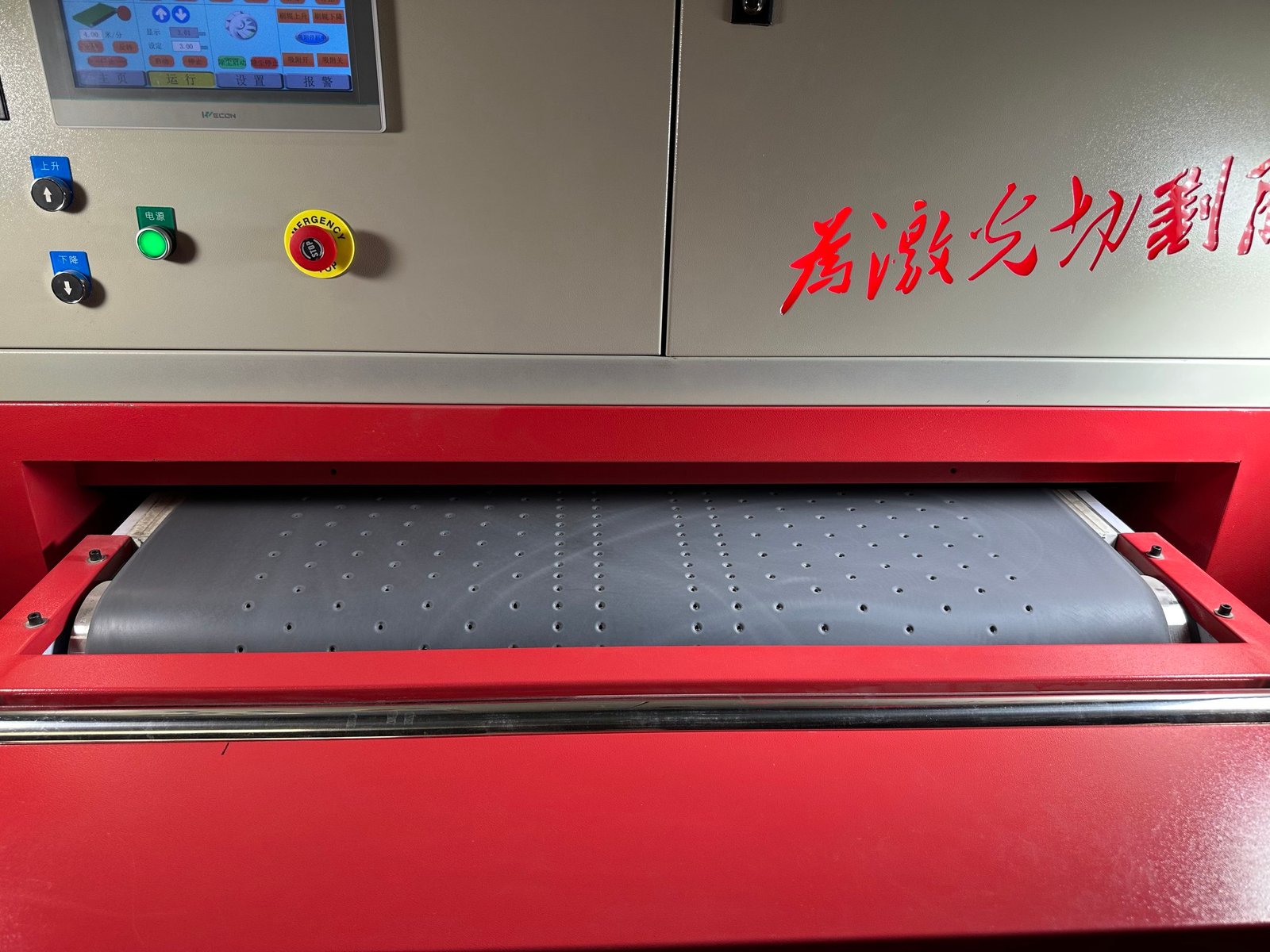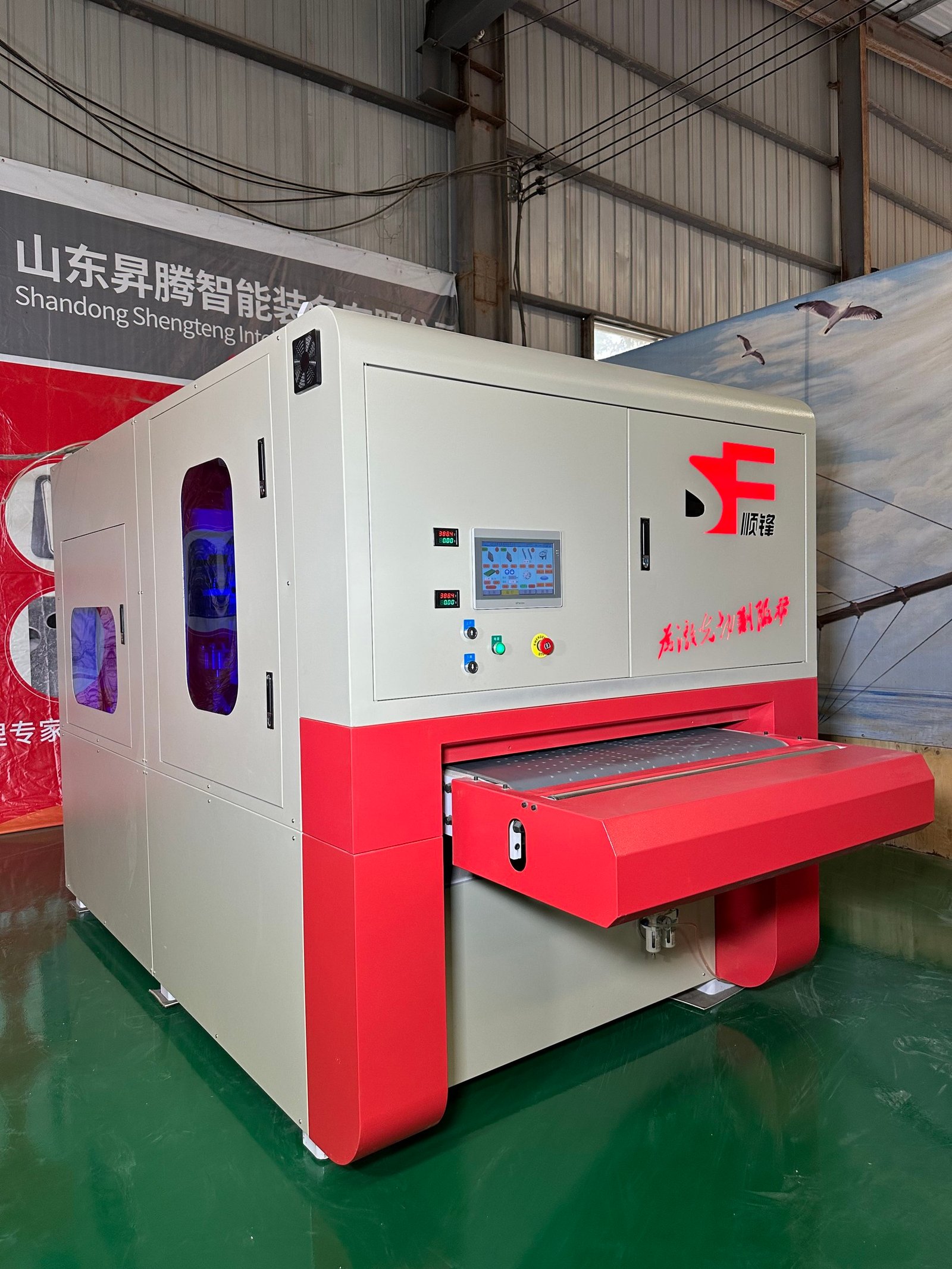
1,000 mm working width
QD1000VI · Rotary Brushing for Flat Tabs
Check that your smallest flat tabs stay steady under vacuum while the brushes reach their exposed edges.

Start with the smallest part you run regularly. If you make thin stampings or laser-cut tabs, the way you hold each piece matters as much as how you remove the burr. Your setup needs to keep the part steady while leaving the edge you want to finish within reach of the abrasive.
Send Shengteng the part dimensions, thickness and a close-up of the problem edge. You can then assess a small parts deburring machine against the narrow tabs, visible faces or awkward shapes your operators handle every day.
Start with the part you find hardest to hold. Try rotary brushing on its exposed edges. If your blanks have raised burrs that need grinding first, compare the two models with an abrasive belt ahead of the rounding unit.
Check that your smallest flat tabs stay steady under vacuum while the brushes reach their exposed edges.
Test the six-motor brush arrangement on narrow tabs to check edge contact and part stability.
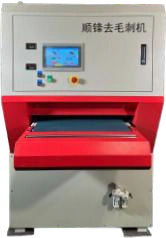
Use the abrasive belt to remove raised burrs from your small blanks before rounding their edges.
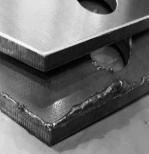
Check part spacing and feed direction when loading batches of small blanks for deburring and rounding.
We review its dimensions, thickness and problem edge to help narrow down the machine and workholding options.
Trial both solid blanks and parts with large openings or narrow tabs to see how they stay in place as the tooling makes contact.
We can compare rotary brushing for fine burrs with a belt-first configuration for raised burrs on flat blanks.
Mark the dimension that controls fit and the face your customer sees. Inspect both after the trial, including any thin edges that can bend.
Include placement, turning and any touch-up when you compare finished parts per hour with your current hand-filing process.
Start with the part your operators still have to file by hand. It might be a stamped clip that must slide into a mating slot, a thin tab that bends under pressure, or a laser-cut blank with a burr around a cable opening. Each needs a clean edge, but each presents a different challenge. Before you choose a small parts deburring machine, establish whether it can hold your part steady, reach the problem edge and preserve the features that matter at assembly.
Mark three things on the drawing. Identify the edge that needs deburring, the dimension that controls fit and the face your customer will see. For a clip that slides into a mating slot, measure the tab width and check the assembled fit after finishing. If the drawing specifies a radius, measure it at the designated edge. A part can be free of burrs and still fall outside its required edge tolerance.
Material and appearance deserve separate checks. For brushed stainless steel, show the grain direction and provide an approved finish sample. For a thin aluminum tab, inspect the tip for bending and the visible face for marks. If your sheet arrives with protective film, supply a sample in that condition and specify whether the film must stay on during processing. Your trial should reflect the condition in which parts actually arrive at the machine.
Shengteng lists 50 × 50 × 1 mm as the minimum processing size for the QD1000VI, QZ1000-2VI and SZ630IV. If your part has large openings, narrow tabs or a slight bow, confirm that the machine can hold that specific shape throughout the pass.
A solid blank offers more contact area than an open frame with the same outside dimensions. A narrow tab may also flex when the brush reaches it. Include your hardest-to-hold shape in the trial and watch whether it moves as it enters and leaves the tooling.
If the burr stands above the sheet face, compare the SZ630IV and SSZ1000IV. Both combine belt deburring with edge rounding. If your main problem is a fine burr along an exposed contour, compare the rotary brush configurations on the QD1000VI and QZ1000-2VI using the same stamping.
Identify the dimension that controls assembly before the trial. For a clip that slides into a mating slot, measure the tab width, check for bending and try the finished clip in its mating part. This shows whether you removed the burr while preserving the fit your customer needs.
Time a representative batch from setup to the last piece that passes inspection. Include time spent placing individual parts, turning them over and touching up missed edges. If 100 pieces pass inspection in 30 minutes, your observed rate is 200 finished parts per hour for that job and loading pattern.